Understanding the Roulette Wheel
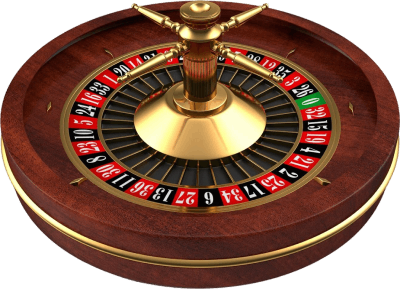
The roulette wheel is the foremost thing in a roulette game, and a marginal design element can majorly affect probability. At first sight, all roulette wheels seem similar to the audience, but the number of pockets and how they are numbered make a direct hit in house edge. Prior to the consideration of bets and strategies, it is crucial to know which type of wheel is being played with and its relevance.
European Roulette Wheel
The European roulette wheel contains 37 pockets, numbered from 0 to 36. The single zero is the key feature that distinguishes it from other versions. Each number has an equal probability of being selected, assuming a fair wheel and random spin, which makes the mathematical structure relatively straightforward.
Because there is only one zero, the house edge on most bets is lower compared to other wheel types. This does not mean European roulette favors the player in the long run, but it does mean losses tend to accumulate more slowly over time. For this reason, European roulette is often considered the baseline version when discussing probability and expectation.
American Roulette Wheel
American roulette adds a second zero, typically labeled 00, bringing the total number of pockets to 38. This seemingly small change has a clear mathematical impact. With more losing outcomes for most bets, the house edge increases across the board.
The presence of both 0 and 00 reduces the probability of winning without increasing the payout amounts. As a result, players face higher long-term losses compared to European roulette, even when placing identical bets. Understanding this difference is critical, as betting strategies that appear similar can perform very differently depending on the wheel used.
Other Wheel Variations
Some casinos offer alternative roulette formats that include additional symbols or rules. These variations may feature extra zero-like pockets, side bets, or modified payouts. While they may appear more engaging or innovative, they usually come with a higher house edge.
Such variations often increase volatility by adding rare but high-paying outcomes, balanced by more frequent losses. For players focused on understanding probability rather than novelty, these wheels are best approached with caution. The core principles of roulette still apply, but the long-term expectations are typically less favorable.
The Roulette Betting Layout Explained
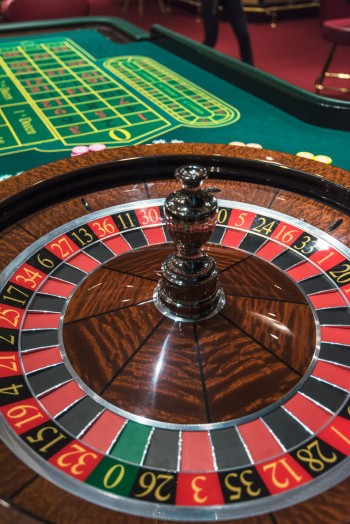
The roulette tables show all numbers and kind of bets visually to the players. It is not a decoration but rhe table grid to bovely showing the way the bets are matched and repaid. Each bet has a specific set of numbers attached to it, and the layout shows this.
Inside Bets and Number Coverage
Inside bets are placed directly on the numbered grid. They cover a small number of outcomes, sometimes as few as one. Examples include straight bets on a single number, splits covering two adjacent numbers, and corner bets covering four numbers.
Because inside bets are precise, they come with higher payouts when they win. However, their probability of success is low. This creates higher volatility, meaning longer losing streaks are more common, punctuated by occasional larger wins. Over time, the house edge remains the same, but the experience feels more dramatic.
Outside Bets and Grouped Outcomes
Outside bets are placed around the perimeter of the layout and cover larger groups of numbers. Common examples include red or black, odd or even, and high or low ranges. These bets win more frequently because they cover many outcomes.
The trade-off is lower payouts, often close to even money. While outside bets reduce short-term swings, they do not reduce the house edge. Losses tend to appear more slowly, but they accumulate steadily over extended play. Outside bets often appeal to players who prefer predictability over volatility.
Dozen and Column Bets
Dozen and column bets occupy a middle ground between inside and outside bets. Each covers 12 numbers, offering payouts that reflect this intermediate risk level. These bets win less often than red or black, but more often than most inside bets.
Because of their balance, dozen and column bets are sometimes perceived as strategic. In reality, they follow the same mathematical rules as all other bets. The probability and payout are calibrated to maintain the house edge, regardless of how appealing the structure may seem.
Inside vs Outside Bets: The Real Difference
There can often be much confusion about the difference between inside and outside bets. Many players tend to believe that picking one over the other will have an effect on the game's fairness. In reality, it is variance, not expectation, that primarily differentiates inside bets from outside bets.
Volatility and Playing Experience
Volatility describes how much outcomes fluctuate in the short term. Inside bets have high volatility because wins are rare but large. Long losing streaks are common, and emotional swings can be intense.
Outside bets have lower volatility. Wins occur more frequently, creating a sense of steady play. However, the smaller payouts mean that losses, when they occur, are less dramatic but more consistent. Neither approach changes the long-term result, but the experience feels very different.
Payout Ratios and Probability Balance
Payouts in roulette are designed so that the possibility of an outcome happens to exceed minus the edge of the house. A straight bet pays off with a higher return, thanks to the capacity of winning it. An even-money category, however, witnesses a decreased payout because winning is believed to be relatively easier.
Such a balance ensures that there is no underhanded built to advantage just one particular betting category. Comparing payouts and probabilities only expose the more pronounced advantage of the casino. Understanding this fact to be inherent in quelling false ideas conceive so much when frothily regarded-supposedly “safer” or “smarter” bets.
Choosing Bets Based on Risk Tolerance
Since expectation does not change, bet selection becomes a personal choice rather than a strategic one. Players who prefer shorter sessions with dramatic outcomes may gravitate toward inside bets. Those who value longer play and smoother pacing may choose outside bets.
Neither choice is inherently better. The key is understanding what each type of bet offers and accepting its implications. Clarity leads to more controlled decisions and fewer surprises.
Probability and House Edge
Roulette is based on probability, which can be utilized for all calculations. Every result is an independent event, so past happenings will definitely not hinder any later tendencies. Then and only then may we accurately assert from this independence that a tendency or pattern not in any way alters the expectation of the game.
How Probability Is Calculated
Probability in roulette is calculated by dividing the number of winning outcomes by the total number of possible outcomes on the wheel. For example, a single number bet on a European wheel has one winning outcome out of 37.
Payouts are then set slightly below true odds. This difference creates the house edge. The simplicity of roulette makes this calculation transparent, which is one reason the game is often used to explain basic probability concepts.
The Meaning of House Edge Over Time
Just because the house edge is the mathematical certainty that the players will get whacked does not mean that it will happen in a single gaming session. It describes over a number of spins, an average result for everyone. Sometimes, it is possible to have a winning session in the short term-indeed, even one that is shockingly good.
But the longer one plays, the longer it takes for the house edge to drive home. Eventually, the number of spins enacting moves that take actual results closer to the mathematically expected average becomes very significant. Such a realization is useful to distinguish between entertainment value and how you hope to come out.
Common Misconceptions About Probability
One of the most common misconceptions is the belief that outcomes “even out” in the short term. Seeing several red results in a row does not make black more likely on the next spin.
Another misconception is that changing bets can influence probability. While bet size affects risk, it does not change the underlying odds. Recognizing these misconceptions helps prevent decisions driven by false logic rather than understanding.
Volatility and Long-Term Expectations
Volatility and expectation work together to define the roulette experience. Volatility shapes how wins and losses appear in the short term, while expectation determines the long-term trend. Both are essential for understanding what roulette offers and what it does not.
Short-Term Variance Explained
Short-term variance refers to deviations from the expected outcome. These deviations are normal and unavoidable in games of chance. A player may experience a winning streak or a rapid loss without anything unusual occurring.
Variance can make roulette exciting, but it can also be misleading. Without understanding variance, players may attribute meaning to randomness or assume patterns where none exist.
Why Long-Term Results Are Predictable
While individual spins are unpredictable, large numbers of spins produce stable averages. This is a basic property of probability. Over time, results cluster around the expected value defined by the house edge.
This predictability is not visible in short sessions, which is why roulette can feel unpredictable and dramatic. Over extended play, however, the underlying structure becomes clear.
Managing Expectations and Play Duration
Grasping the concepts of variance and expectation enables players to govern their session length and financing decisions. Short sessions emphasize variance and excitement. On the other hand, elongated sessions are guided by the influence of expectation.
Neither approach is false by nature, but they do come with consequences. The knowledge of the above allows for deliberate choice rather than just a reflex response.
Reading the Wheel Clearly
Roulette, though not endowed with secrets and strategies, is ruled by structure, probability, and design. The chances require certain debts, and the recovery of the house edge determines the average loss. Although these items are given separately, they are rather technical. Only when they are taken as a whole can the game become clear and pure.